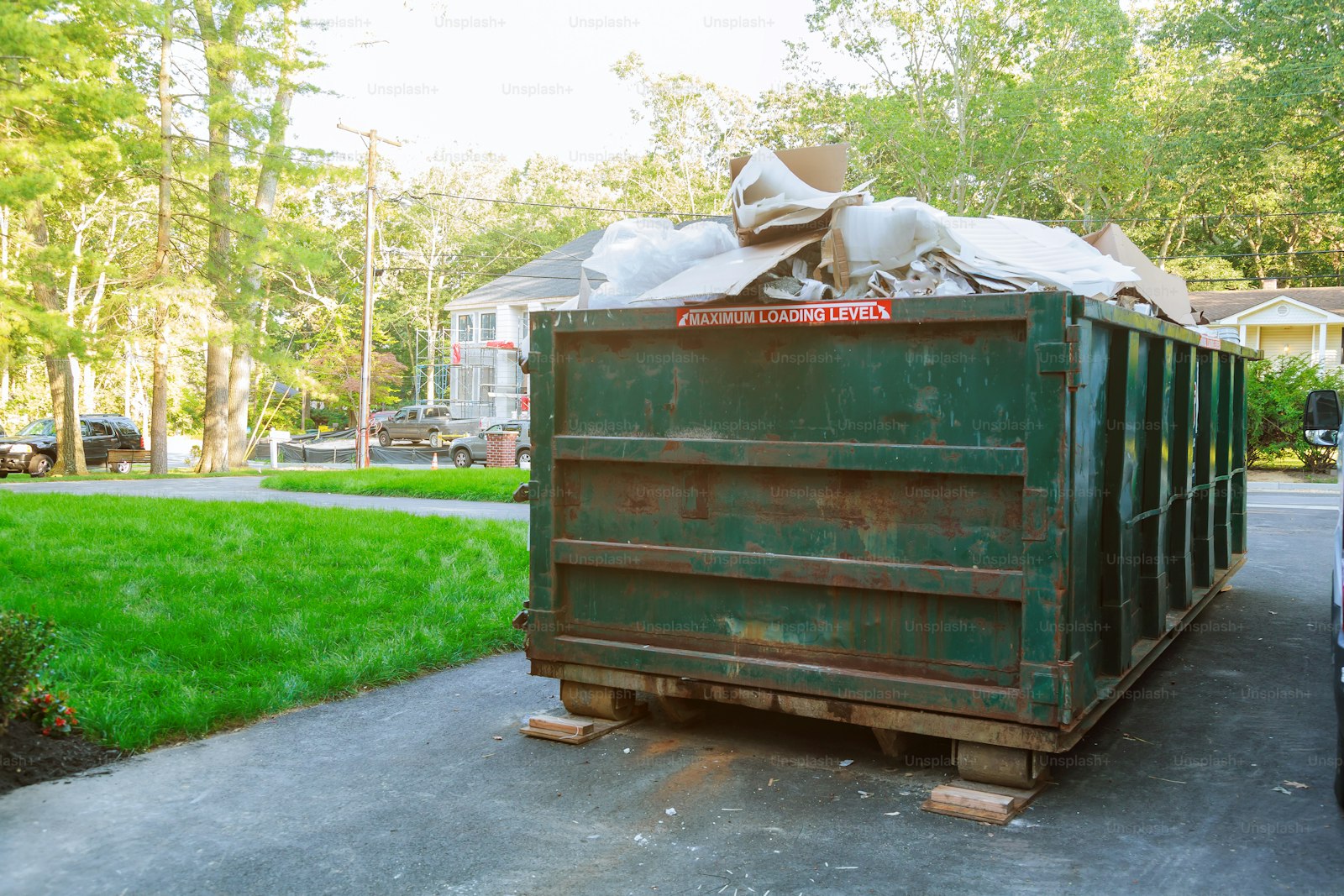
Removing construction waste after demolition
Removing construction waste after demolition means collecting the debris in separated streams, keeping those streams clean, and delivering them to a licensed processing facility. In Amsterdam the logistics often decide the job: a narrow staircase in a nineteenth-century building, no lift, and very little kerb space for a container. Plan the removal while the demolition is being planned, not once the flat is already full of bags.
What the work covers
Demolition rarely produces one tidy pile. Strip out a bathroom or a kitchen and you get a mixture, and that mixture is exactly what makes disposal expensive. A competent crew separates at source, as the material comes off the wall.
- Rubble - concrete, brick, tiles, mortar, screed.
- Timber - joists, skirting, frames, sheet material; treated timber is a separate stream.
- Plasterboard - which must not be mixed with rubble.
- Metal - pipework, radiators, profiles; usually has scrap value.
- General waste - insulation, film, packaging, sheeting.
- Hazardous waste - paint residue, sealant, solvents; never in a general container.
The job also includes getting it out of the building. That may be bags and barrows down the stairs, a debris chute, or a hoist on the facade when the stairs are simply too steep. In canal-side property that is closer to the rule than the exception.
Asbestos: survey first, never DIY
Much of Amsterdam housing predates 1994, so asbestos is a genuine possibility: in old floor adhesive, flue linings, panels behind a water heater, corrugated sheets on an outbuilding. If asbestos is suspected, demolition stops. A survey has to be carried out and removal done exclusively by a certified company. Asbestos-containing material must never end up in general construction waste, and it is never a job for the homeowner or a general builder.
The main stages
- Site visit. Build year, volume, floor level, stair width, kerb space.
- Waste plan. Which streams will arise, where the containers or bulk bags stand, when they get swapped.
- Protection. Cover the stairwell, lift, floors and communal areas; put up dust screens.
- Separated strip-out. Demountable items first, heavy breaking afterwards.
- Carrying out and loading. By stair, chute or external hoist.
- Transport and processing. To a licensed site, with weigh tickets per stream.
- Broom-clean handover. Often followed by a builders clean before finishing trades arrive.
What the price depends on
Removal is normally quoted per container or per cubic metre, plus labour hours for carrying out. Demolition and removal together are often priced per object or after an inspection. The variables that matter:
- Volume and weight. Rubble is heavy, timber is bulky; they load a quote differently.
- Separation. Mixed waste costs more to process than clean streams.
- Floor level and stairs. A third floor without a lift is hand labour, and hand labour is hours.
- Access. Can the truck park at the door, or is it a hundred metres of barrow work?
- Hoisting. A furniture lift or gable hoist is a separate line item.
- Working window. Weekend or evening work, often driven by building association rules.
- Special streams. Hazardous waste and any asbestos removal sit outside the standard rate.
Questions worth asking the contractor
- Where is my waste taken, and can I see the weigh tickets?
- Is disposal included in the quote or invoiced afterwards?
- Who arranges permission from the gemeente if a container goes on the street?
- How will the stairwell be protected, and who repairs damage to it?
- What happens if asbestos turns up mid-demolition?
- How many days will material stand in or in front of the building?
A container on the public road needs permission from the municipality. Ask who applies for it and confirm the current requirements with the gemeente, because what is possible varies street by street in the centre.
Common mistakes
Throwing everything into one skip. Unsorted waste almost always costs more than sorting would have.
Leaving logistics until last. A flat filling up with bags grinds to a halt; waste has to leave during the work, not only at the end.
Ignoring the VvE. In an apartment building the waste travels through shared space. Notify the association in advance and agree protection and working hours in writing.
Assuming old material is harmless. Old adhesive residue, pipe lagging and flue material deserve suspicion until proven otherwise.
Frequently asked questions
Can I take construction waste to a disposal point myself?
Small quantities from your own home often can go, but conditions differ per stream and per site. A real demolition job exceeds those limits quickly, so check the current rules with the municipality.
Container or bulk bag?
A bulk bag fits where a container cannot stand and suits small volumes. For a full strip-out a container is more efficient, provided there is space and permission.
How long does removal take?
For a bathroom or kitchen, often a day alongside the demolition. A whole floor takes considerably longer, especially without a lift.
What if there is more waste than estimated?
Agree in advance how extra volume is settled, for instance per additional container, so the final invoice holds no surprises.
Is broom-clean the same as clean?
No. Broom-clean means empty and swept. The fine dust that coats a stripped flat needs a separate builders clean before any painting starts.